
Key Takeaways
- Optimize your content for low-volume, more focused searches.
- This acts as a filter to capture prospects explicitly looking to hire an architect, while weeding out students and general information gatherers.
- Local SEO is a big deal.
- Your local business profiles affect Google and Apple Maps, traditional search, and AI search.
- Optimize your images for search.
- This will more immediately engage potential clients, validate your written content, and can be a valuable part of your lead generation.
- Optimizing for AI search is mandatory in 2026 and beyond.
Search Optimization for Architects
Search Optimization for architects is more valuable than many firms would think. Architectural project portfolios are usually beautiful, but aren’t treated as the high-value search engine content they should be. Most firms take a kind of “Here’s our work. Isn’t it beautiful?” approach. There is little to no effort to optimize the content and images for better search results.
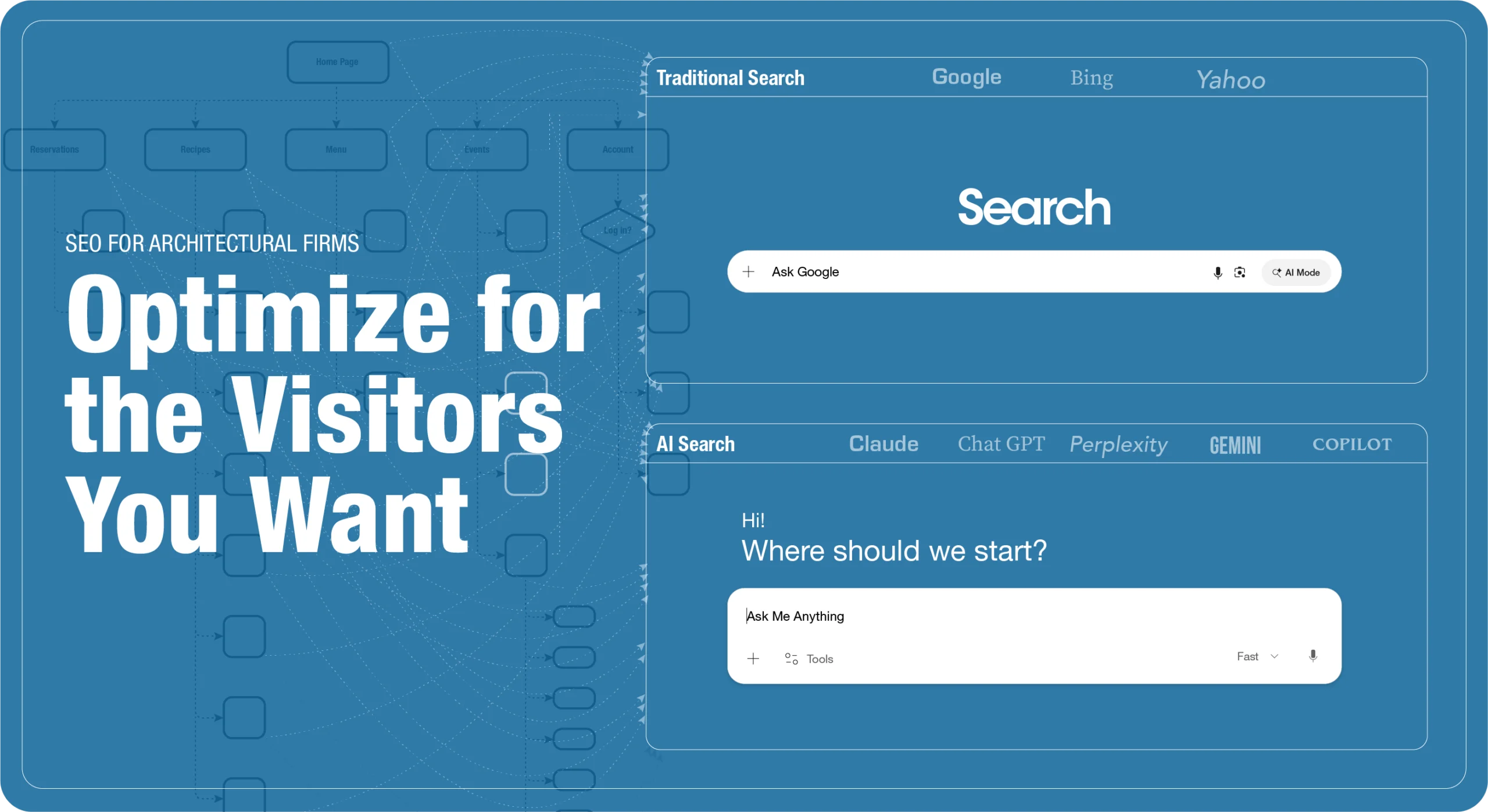
Architecture Firms should treat their portfolios and website content as high-leverage marketing assets. Firms can convert their digital presence into new customers if they prioritize Search Engine Optimization (SEO), Answer Engine Optimization (AEO), and Generative Engine Optimization (GEO).
The Value of Low Volume
Low Volume Searches are the Most Valuable
Ranking #1 for “architectural firm” is what you want, right? It isn’t, and that’s great news. It’s a highly competitive keyword and not nearly as valuable as you would think. It’s a general keyword that is a catch-all for students and curious web searchers. Keywords like this are vague and ambiguous, more difficult to rank for, and can have little value to a high-quality and specialized Architectural Firm.
If your firm specializes in modern residential architecture, green building, and home remodels, you would optimize for searches that are much more focused than “architectural firm.” Optimizing your website content for exactly what you do delivers much higher value.
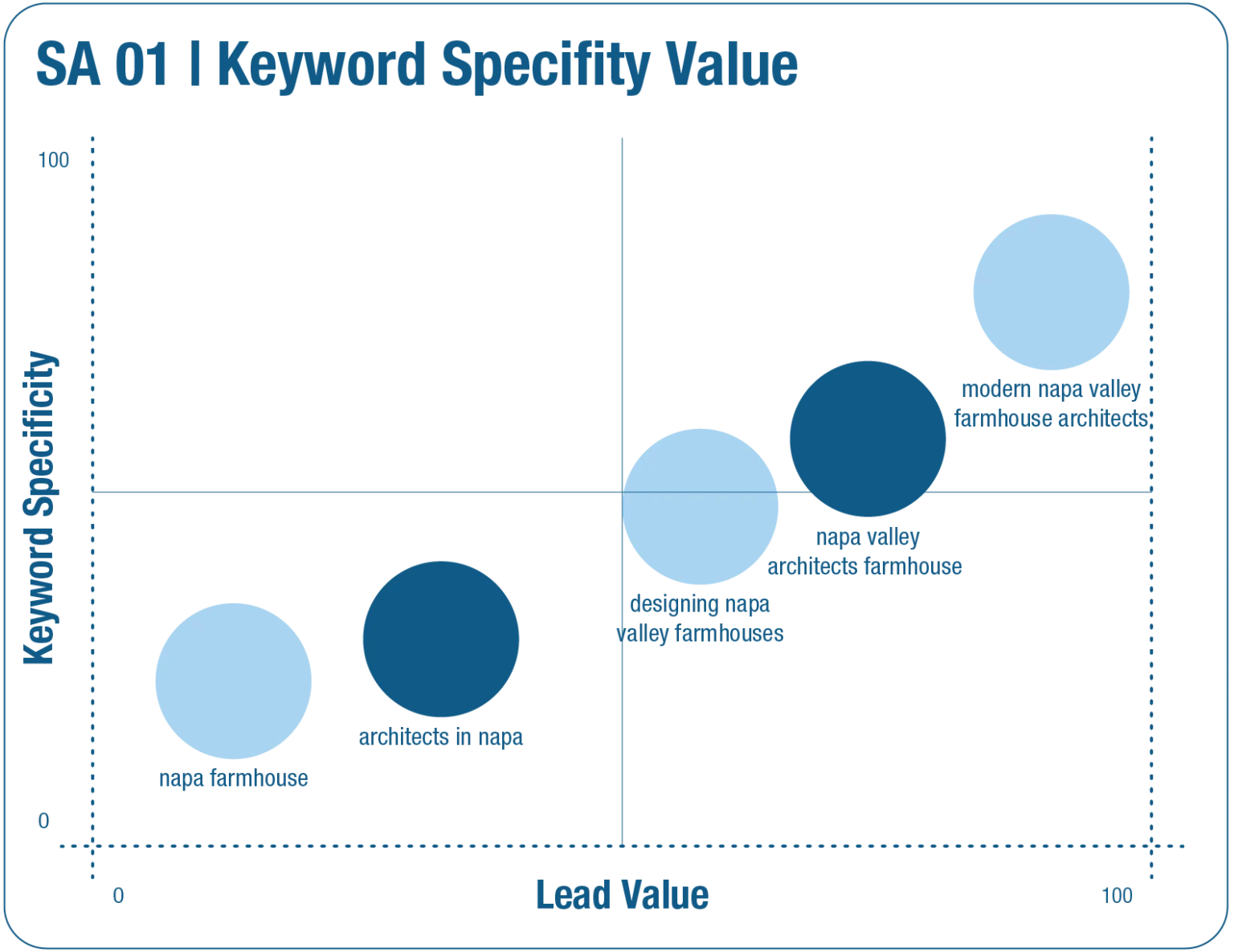
We can go deeper. Rather than optimizing a Napa project page for a term like “architects in napa,” we could optimize the content for a more specific term like “modern napa valley farmhouse architects.” This has a sharpened focus, making it much more likely that the searcher’s intent* is centered on hiring an architect who has proven expertise in designing Napa Valley farmhouses. FYI, we’ve done this exact thing and it works very well.
What are long tail keywords?
“Napa Valley farmhouse architects” is a hyper-specific, multi-word query—otherwise known as a long-tail keyword. Focusing on long-tail searches creates a kind of exclusivity and pre-qualifies website leads. This results in fewer, but more qualified leads that are closer to choosing their architect.
This is the value low-volume, long-tail keywords deliver: fewer unqualified leads, and instead, potential clients who have already been prequalified. The value gap between 1,000 casual visitors and two serious prospects is enormous. This is especially true when you rank high for a long-tail keyword and the search-optimized content on your website is exactly what they were searching for, “modern napa valley farmhouse architects.”
* What Is Search Intent? It’s the underlying reason why someone is searching online: they want directions, to view a specific image or video, to learn something, to make a purchase, etc. These are common types of search intent: informational, navigational, commercial, transactional, local, visual.
Local SEO for Architects
Local Search Intent and Your Business Profile
With AI search—ChatGPT, Claude, Perplexity, and Gemini—becoming more and more popular, local SEO for architects has become a more mandatory marketing component. Your local business profiles have become more than something people see on Google or Apple Maps. The combination of your business profiles and website content can have a very positive effect on your results in AI searches.
Example
- You have well-established and optimized Google and Apple business profiles.
- Like traditional search on Google, search with local intent will display the top 3 relevant businesses in a section at the top on the first page. This is called a local pack.
- You’re based in Lexington KY and you have website content that is optimized for ‘Lexington architectural firm’ and ‘modern residential architecture in Lexington.’
- Because Lexington was used, AI prompts like “architectural firm lexington” will feature your business as a well-established, local architectural firm. If you can be one of the top 3 relevant businesses there is also a local pack in AI search results.
- As AI prompts get more specific, you are also likely to be referenced in prompts like “architects modern residential design lexington.”
Visual Search for Architectural Firms
Immediate Gratification and Lead Generation
Clients often begin their journey with a visual search and sometimes a mood board. When they use tools like Google Lens or AI-integrated browsers to search for “Modern Bedroom Interior Design-New York City Apartment,” your projects should be the answer.

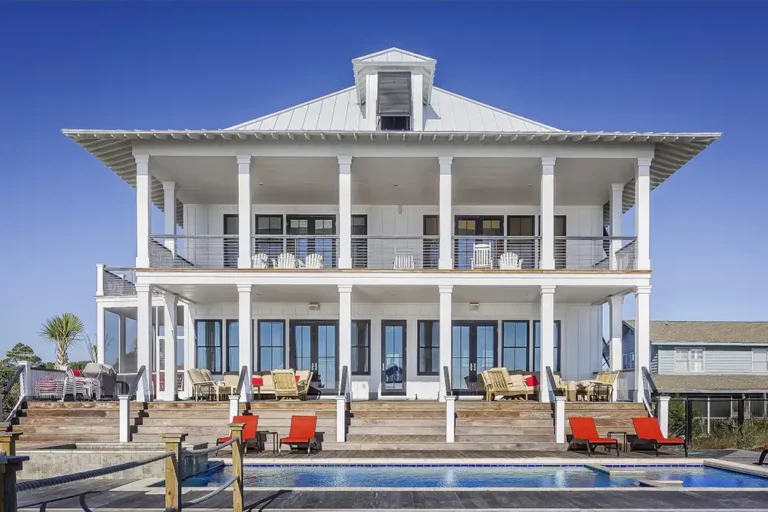
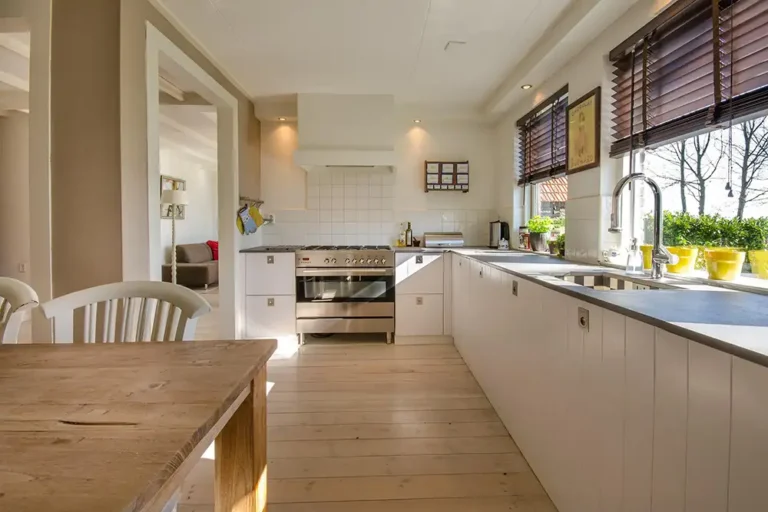
By tagging your images with geographic, design, and stylistic metadata, you create a visual context loop. When an AI agent suggests an architect for a specific style in a specific region, it does so by cross-referencing your image data with your written content—local business profiles also play a part.
Turn Inspiration Into Inquiry
To turn a photograph into a lead-generation tool, you must move beyond generic file names:
- The Error: Naming a file Final_Render_v2.jpg.
- The Strategy: Naming a file modernized-rustic-kitchen-cape-cod.webp.
- Instead of “New York Modern Bedroom”, your image metadata should describe the “Modern Bedroom Interior Design—New York City Apartment.” This signals style, room, and location, while demonstrating your technical competency.
AEO and GEO for Design Firms
AI Search is Here to Stay, You Need to Optimize for It
Quick Definition:
- AEO (Answer Engine Optimization): Optimizing content to appear as direct AI search answers in traditional searches.
- GEO (Generative Engine Optimization): Optimizing content to be cited by generative AI models: Chat GPT, Gemini, Perplexity, etc.
The way clients find architects has changed significantly in the last 12-24 months. With the rise of AI-driven search and generative engines (ChatGPT, Claude, Gemini, et al.), the goal can’t just be a good result on a Google search results page. You have to be the authoritative answer to questions related to what your firm does and specializes in.
When an AI is asked, “Who are the best architects for sustainable custom homes in Northern California?”, the engine looks for sites with keyword matches, but more importantly, it looks for websites with the most authoritative content about building sustainable homes in Northern California.
Conclusion
Architecture is not a volume business. Your website’s success shouldn’t be measured by how many people saw your firm today, but by the intent of those who did.
By prioritizing long-tail keywords and Answer Engine Optimization (AEO), you’re claiming authority in the specific niches where you excel. Whether it’s navigating the zoning complexities of designing for a Napa Valley hillside lot or delivering a high-performance build in the suburbs of Lexington, Kentucky, your website must serve as proof of your technical competence.
In an era where AI agents and visual search are the new gatekeepers, precision is your best protection against invisibility. Optimize for precision, so you can be found by clients who are already looking for you.