
Key Takeaways
- The Value Trap: Many hospitality businesses fall into a cycle of competing on price and utility, effectively commoditizing their craft and limiting their ability to scale in a sophisticated market.
- The Authority Gap: When Creative and Marketing lack professional polish, they create a credibility gap. In a high-expectation environment like San Francisco, these deficiencies restrict access to discerning audiences and lower the perceived value of the physical product.
- The Strategic Pivot: Escaping the trap requires a transition from a service-led to an authority-led model. High-fidelity creative acts as objective proof of excellence; it increases perceived product quality and establishes a premium position that makes your pricing a formality rather than a debate.
This is about a bar in San Francisco that has been in business for over 20 years. They have good customer service, make good cocktails, and they’re operating in the black. They’re also well known for having an inexpensive Happy Hour, and interesting cocktails that don’t cost an arm and a leg.
So why is this a case study for what not to do? As of February 2026, the bar is experiencing a crossroads. New visitor numbers are down, and what had worked before—low-price cocktails—isn’t working as well now. The challenges are new to them, and with branding and marketing only existing in their minds as necessary evils rather than assets, a behavior shift is needed.
Strengths
The Quality-Price Ratio
Their high-value offering made them competitive in a very crowded market. The cocktails are inventive and good, and sometimes excellent. As important as the value they offer is that the drinks are fun. They’re not ground-breaking, from an aficionado’s POV, but the bar isn’t out to become a style maker.
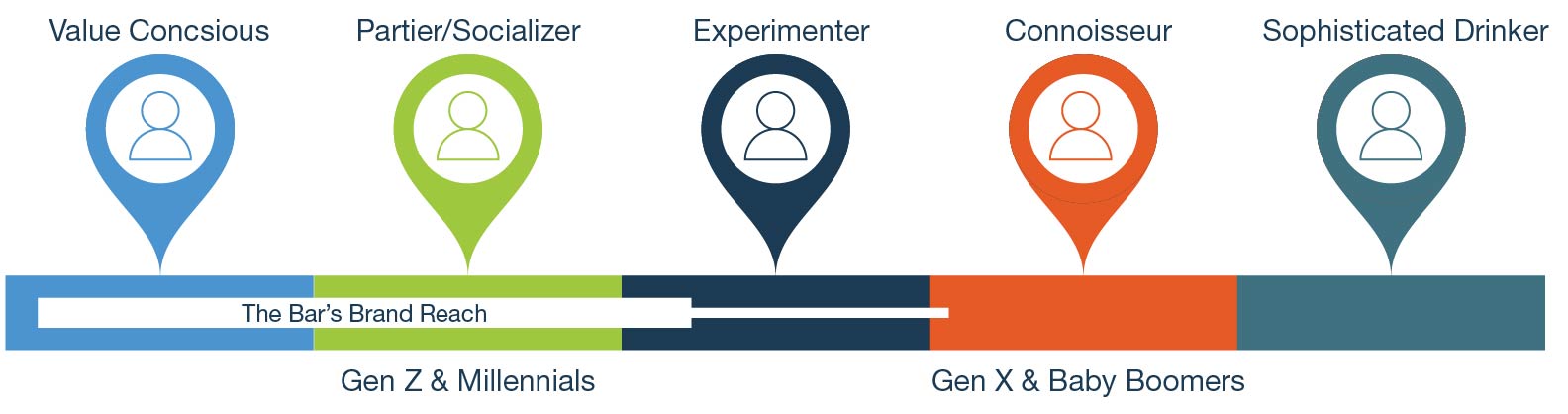
Their brand is very strong; unfortunately, it leans heavily on “Happy Hour” and “Great Prices.” The bar is also known to be very fun. This is good, but without identities like “high quality cocktails” and “a lovely place to be,” the audience is limited. In San Francisco, there is definitely a quality-over-quantity mindset for dining and drinking, which isn’t signaled by “Happy Hour” and “Cheap Drinks.”
Weaknesses
Branding, Marketing, and Low Prices
Unfortunately, value pricing is a competitive advantage that can have an expiration date. The bar’s current brand identity is “Good Value” and “Happy Hour.” Great prices and good products have always been a winning combo, but for longevity, this needs to be part of a brand that resonates with a wider range of customers.
Brands need to make customers want to support them. Appreciative customers and followers are motivated to show their support through reviews, user-generated content, and social sharing – this is the modern word of mouth. If you build a following, you also accommodate media outlets, influencers, and PR efforts, where your brand shows up in review articles, social posts, and “what’s hot” posts.
Threats
Other Bars and the World
After the Pandemic, the bar reopened, taking advantage of the public’s need to feel normal and have fun. This was a huge benefit for one to two years, until their value-conscious drinkers moved away, moved on to higher-end alternatives, and more bars reopened.
With more bars open and many competing for the same value-conscious audience, this bar has become an obvious target. Any bar that wants to reduce margins is a more direct competitor, and if they’ve done a better job with branding and marketing, then they will probably win. This is a formula that can be easily replicated.
The socio-political environment, generational perspectives, and the economy all play a significant role in the health of the hospitality industry. Currently, San Francisco is in a reset mode for nightlife. As of February 2026, the City is experiencing 0% growth in the restaurant and bar sector. Dry January didn’t help with a 6% decline in spending, and the nation’s sober curiosity has seen a 17% drop in alcohol consumption by younger patrons.
Opportunities
An Uncomplicated Marketing Mix
The bar in question has relied solely on inventive, high-value cocktails and its decor for branding and marketing. Clearly, their marketing is solely focused on word of mouth, and it’s been surprisingly good to them. Unfortunately, things have changed, and the traditional “Word of Mouth” isn’t as effective in our digital world and the AI era.
There are a lot of opportunities for the bar to build a brand that elevates them, or at least insulates them from downturns; this is vital. These marketing methods aren’t groundbreaking; there aren’t even loyalty programs or clever UGC programs. It’s really just common, but currently relevant marketing. This also takes the product into account; after all, product is one of the 4 Ps of marketing.
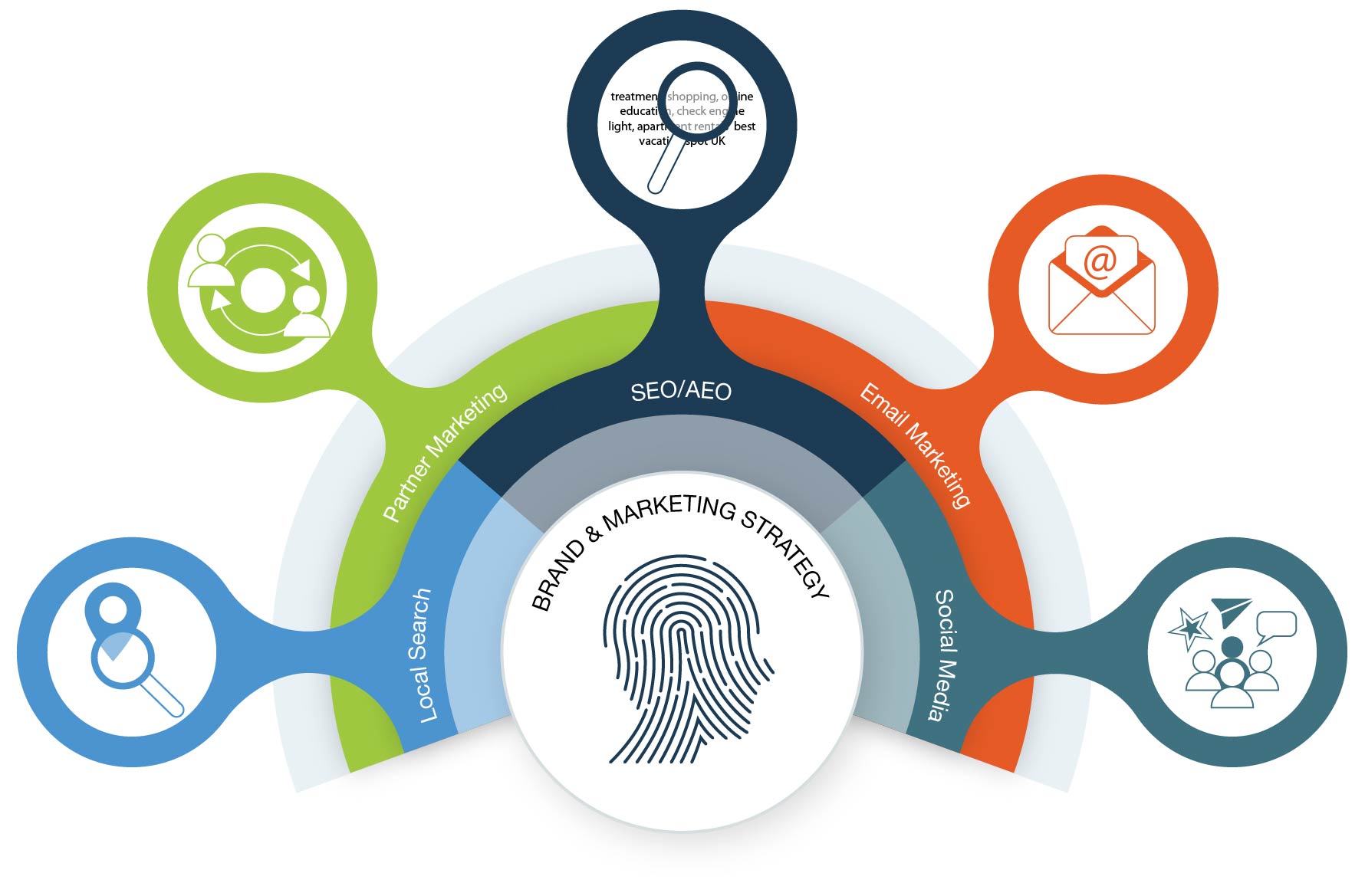
- Create a brand and marketing strategy that communicates an aspirational story, the things you want your customers to say back to you about your business. Tell that story in the product, service, and in all of your marketing. It’s much deeper than just saying this, but this is how you start.
- The cocktails should trigger the signals needed for discovery in 2026. A shift in ingredients, recipes, glasses, and garnishes can go a long way toward creating authentic social buzz.
- Local SEO has been good with an already good website as a drop-off point.
- Social Marketing: Good photography and video for vibe checks, cocktail promos, and features aren’t hugely expensive and are much more doable if they involve their bartenders. With a concise effort to repurpose video and photography from the website and email for social marketing, a lot less work goes into effective posting and storytelling.
- Use data to understand your audience’s behavior, create a solid and doable strategy. Ask for and respond to feedback, even if it’s not what you want to hear.
- Brand partnerships are highly valuable, and liquor vendors expect them. With all of the incredible brands they sell, creating featured cocktails and limited-time specials is relatively easy. Developing special nights with brand representatives gives the bar a high-quality vibe.
- Consistent email marketing with offers, events, and cocktail recipes. If your email is connected to CRM software (Customer Relationship Management), you can track the effectiveness of your email marketing by tracking returning customers.
- Leaning into and promoting their brand in the bar. Signage needs to be updated to their new logo. In line with this, t-shirts and hats are a must for bartenders and devoted customers. Monitors in the bar featuring their promos, specialty cocktails, and reviews can go a long way in driving sales and repeat visits.
What’s Needed?
Can This Great Small Business Shift Its Perspective?
In 2026, successful Marketing for small businesses will come from a strategy focused on creating resonance and connection with multiple audiences. Choosing marketing channels that can be committed to is vital for the necessary consistency. Understanding the data is challenging but necessary to inform their marketing decisions. Lastly, this also requires tenacity and patience.
This sounds simple enough when it’s distilled, but can an old-school, successful business that’s built on its past good decisions change its mind? We think so. It’s a great bar that deserves to be around for at least another 20 years.